

Wool, Cotton and Other Fibres
admin2026-08-31T05:55:26+00:00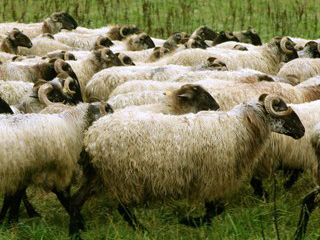
Vilna:
Different breeds of sheep are raised around the world, and their wool varies in its properties. Wool quality also depends on the part of the sheep from which it is shorn.
• Of all textile fibres, wool is one of the best at retaining heat.
• Wool can hold a large amount of moisture even when the air is hot and dry. This helps maintain comfortable humidity next to the skin and reduces the sensation of perspiration.
• In a desert climate or on a hot summer day, thin wool garments can help the body retain moisture. Wool fibres also naturally repel water, so droplets tend to roll off the surface.
• Wool readily absorbs odours, including perspiration, while also helping neutralise them. As a result, perspiration odour may be less noticeable in wool garments than in synthetic clothing.
• Over time, wool fibres may become thinner. Wool is not resistant to alkalis, bleach, high heat or prolonged sunlight.
• Wool garments should not be worn immediately after steaming.
Linas:
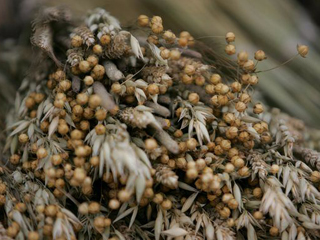
Linen creates an excellent microclimate for the skin: it is breathable and absorbs moisture and perspiration well.
Linen is particularly suitable for summer because it disperses moisture evenly and helps maintain a comfortable body temperature, while in winter it can provide pleasant warmth. Linen has naturally hygienic properties, is breathable and is suitable for people with sensitive skin.
Linen has long been valued for its skin-friendly qualities. Linen products are highly resistant to abrasion and are stronger than comparable cotton products.
Over time, linen does not yellow; instead it becomes softer and can appear brighter.
Linen does not build up static electricity, so it attracts less dust. It is also an environmentally friendly material.
Bambukas:
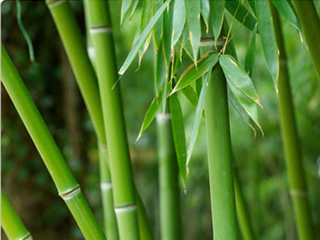
Bamboo can be grown without intensive use of pesticides and other chemicals, and plant residues naturally decompose. This makes bamboo-based products an environmentally conscious choice.
Products made from bamboo fibre have a number of distinctive properties:
• Bamboo fibre has naturally hygienic properties and can help limit the growth of bacteria and the development of mould and fungi.
• Bamboo fabrics help reduce unpleasant odours.
• Bamboo fibre absorbs moisture quickly – considerably faster than cotton.
• It can also absorb a larger amount of moisture than cotton.
• Bamboo fibre is soft, smooth and silk-like, with a subtle natural sheen.
• Bamboo-fibre products are generally easy to wash at low temperatures using a mild detergent.
• Bamboo products are suitable for everyday wear and are especially valued for their softness and comfort.
Cotton:
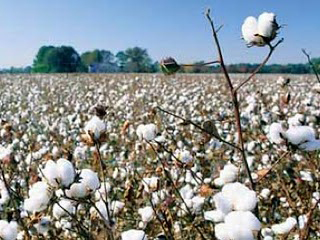
• Cotton is one of the most commonly used fibres in clothing production. It absorbs moisture well and does not readily build up static electricity.
• Cotton is particularly suitable for garments that come into direct contact with the skin. Cotton fibres allow the body to breathe while helping protect it from overheating.
• Cotton fabric is strong and resistant to tearing. Its main drawback is that it wrinkles easily. Prolonged direct sunlight may cause cotton to yellow and gradually weaken; moisture and polluted air can accelerate this process.
Viscose:
• Viscose has properties similar to cotton but absorbs moisture more effectively, making it a comfortable and hygienic fibre.
• Viscose fabric is light and soft.
• Pure viscose has a slight sheen and can be semi-transparent.
• Viscose wrinkles more easily than cotton.
• Viscose does not readily build up static electricity.
Other Fibres:
Polyamide:
• A synthetic fibre that is elastic, crease-resistant and highly resistant to abrasion.
• Its disadvantages include static build-up and lower resistance to environmental exposure and sunlight; it may fade and pill over time.
• Polyamide adds strength and durability to products.
Polyester:
• A synthetic fibre that is strong, abrasion-resistant, crease-resistant and absorbs very little moisture, so products dry quickly.
• Polyester is often blended with wool, cotton and linen. Such products wrinkle less, retain their shape better and are more resistant to wear.
Polyacrylic:
• A synthetic fibre that is more elastic than acetate and viscose, so it wrinkles less.
• Acrylic absorbs little moisture, dries quickly and is easy to care for.
• Acrylic is often blended with other fibres and used in knitwear.
Elastane:
• Elastane is not highly durable and is sensitive to heat.
• At high temperatures the fibre may yellow.
• Elastane is usually blended with other fibres.
• Even a small percentage of elastane adds stretch and flexibility to fabrics.